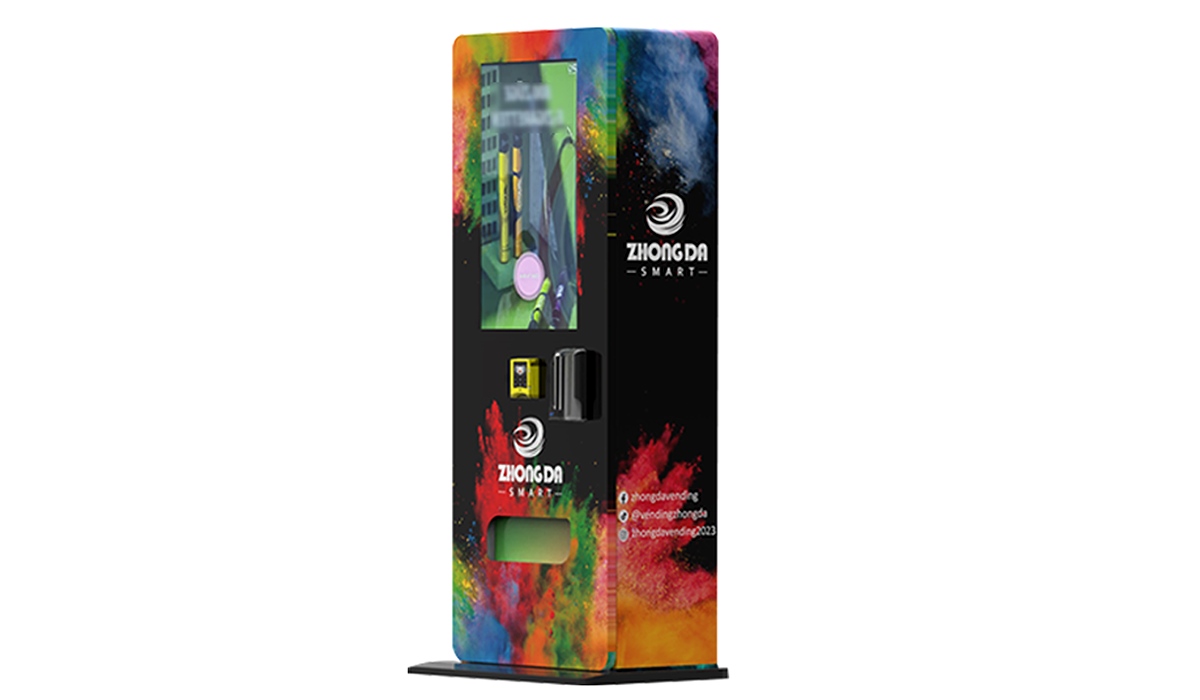
A recent advancement in ejecting vaping solutions is securing popularity vending machines equipped with age verification technology. These machine-operated retail spots beginning in specific zones suggest a reformative change in user acquisition of vaping items while apparently focusing on restricting juvenile acquisitions. The presence of next-gen authentication instruments utilizing biometric facial analysis or barcode inspection intends to counteract problems concerning forbidden possession, though the effectiveness of such systems forms a matter of contention. Industry watchers are tracking current changes diligently for mainstream status or face jurisdictional constraints.
Approved Electronic Nicotine Sellers: Comfort or Anxiety?
The emergence of age-verification vape dispensers requiring identification for purchase has sparked debate. Proponents accentuate improved manageability offering prompt obtainment and reduced workforce. However, critics express fears about data security and system errors leading to refusals and whether technology effectively halts adolescent purchasing or displaces difficulties to different channels; furthermore, some question reliability and accuracy of current methods for identity validation. The long-term impact on industry landscape alongside purchaser outcomes stays under examination.
Nicotine Delivery Unit Innovations and Buyer Authentication
The propagation of self-operating vape devices triggers problems in customer confirmation. These devices typically utilize a combination of technologies such as facial recognition and PIN codes to prevent sales to individuals minors not allowed by law. However, concerns remain about trustworthiness and precision of methods employed and potential workarounds used by underage users. Manufacturers are constantly striving to improve verification methods with next-level biometric scrutiny and refined pattern recognition and integrate them with databases checking for official identification documents and certified authorizations, though loopholes and evolving sophistication of attempts to circumvent the system continue to challenge regulators and industry participants alike. The goal remains to balance accessibility for legal purchasers with robust protection against underage access.
Accelerating Shift to Secured Electronic Smoking Dispensers
A rising phenomenon manifests in nicotine product marketing endorsing guarded dispensing units. Priorly, unregulated vending stirred anxiety around minor use and violations. Now, manufacturers and retailers increasingly turn to technologies like biometric vape vending machine with id scanner scanners, age verification software, and real-time inventory tracking. These systems aim to restrict sales to adults while improving inventory oversight and reducing theft risk. Countless pros appear evident.
- Enhanced security against unauthorized purchases
- Heightened obedience to statutory guidelines
- Expanded business optimization for ventures
- Minimized chance of accountability
Governance Structure Relating to Electronic Cigarette Machines and Identity Verification
The evolving legal position surrounding vaping devices with mandatory identification scans is increasingly complex. Area-specific decrees manifest great diversity as certain regions compel age verification universally while others adopt confined controls. Federal regulations from the FDA also influence this area, fundamentally tied to item endorsement and publicity policies. Merchants bear responsibility for misconduct, requiring strict compliance with enforced directives. Challenges also arise concerning data discretion dealing with maintained identity proofs. The legal environment advances while enforcement units and lawmakers juggle collective good and individual autonomy.
E-liquid Distribution Machines: Synchronizing Offering and Responsibility
Evolving in distribution, e-liquid machines generate detailed argumentation about social welfare. While proponents highlight potential benefits showing practicality for eligible clients and lowering retail personnel demands, concerns are voiced over adolescent exposure. Experts emphasize the need for stringent regulations, potentially including biometric age verification systems, ensuring responsible commodity handling and protection enhancement while facilitating adult access and safeguarding youth. Finding a balanced method enabling purchases and limiting juvenile exposure remains a critical challenge for lawmakers and public bureaucrats, chiefs, overseers.
Adopting Identity Verification Technology for Electronic Cigarette Machines
To accomplish conformity pursuant to refined age validation protocols, electronic smoking machines apply automated identification machines. This solution involves leveraging technology collecting personal data from drivers’ permits or authorized IDs to automatically confirm age. Successful implementation requires careful hardware selection and software integration for seamless data processing and record keeping. Furthermore, employee training is vital; staff must be educated on proper operation and tackling potential confirmation failures coupled with securing client data confidentiality through secure storage practices.
Digital Dispensing Units: Innovating Age Confirmation Systems for Nicotine Devices
Nicotine delivery networks revolutionize substantially with intelligent dispensers integrating age validation technology. These systems alter thorough vape merchandise distribution by substituting conventional retail layouts with controlled options. Previously, access was often vulnerable, allowing minors to obtain vaping devices easily. Now, requiring a valid government-issued ID and validating it through scanners becomes the standard, aiming to strictly enforce age restrictions and deter illicit sales. This technology leverages advanced biometric traits, electronic markers, or distinct signals for buyer verification. Furthermore, some vendors implement purchase tracking and limits per customer, creating accountable retail environments, potentially influencing future regulations and reducing underage vaping incidence.
- Elevates safeguards
- Decreases youthful opportunity
- Provides purchase tracking
Envisioned Progression of Vaping Apparatus Sales Supported by Automated Systems and ID Checks
The landscape of vaping retail is poised for a significant shift with automated dispensing machines and stringent age verification systems becoming prevalent. Expect shrinking standard vaping storefronts complemented by developing vending machine alternatives featuring selective devices. These systems promise elevated organizational performance in markets alongside personnel reduction. Moreover, implementation of advanced age verification technologies – applying vein pattern recognition or digital ID confirmation – aims to bolster regulatory compliance and deter underage access, addressing ongoing concerns about youth vaping. This transition could also lead to changes in consumer experience, with greater accessibility balanced against potentially reduced individualized assistance. Ultimately, we will likely witness a more streamlined and regulated electronic smoking device sales process advancing forth.
- Elevated organizational output
- Diminished crew spending
- Demanding client confirmation methods