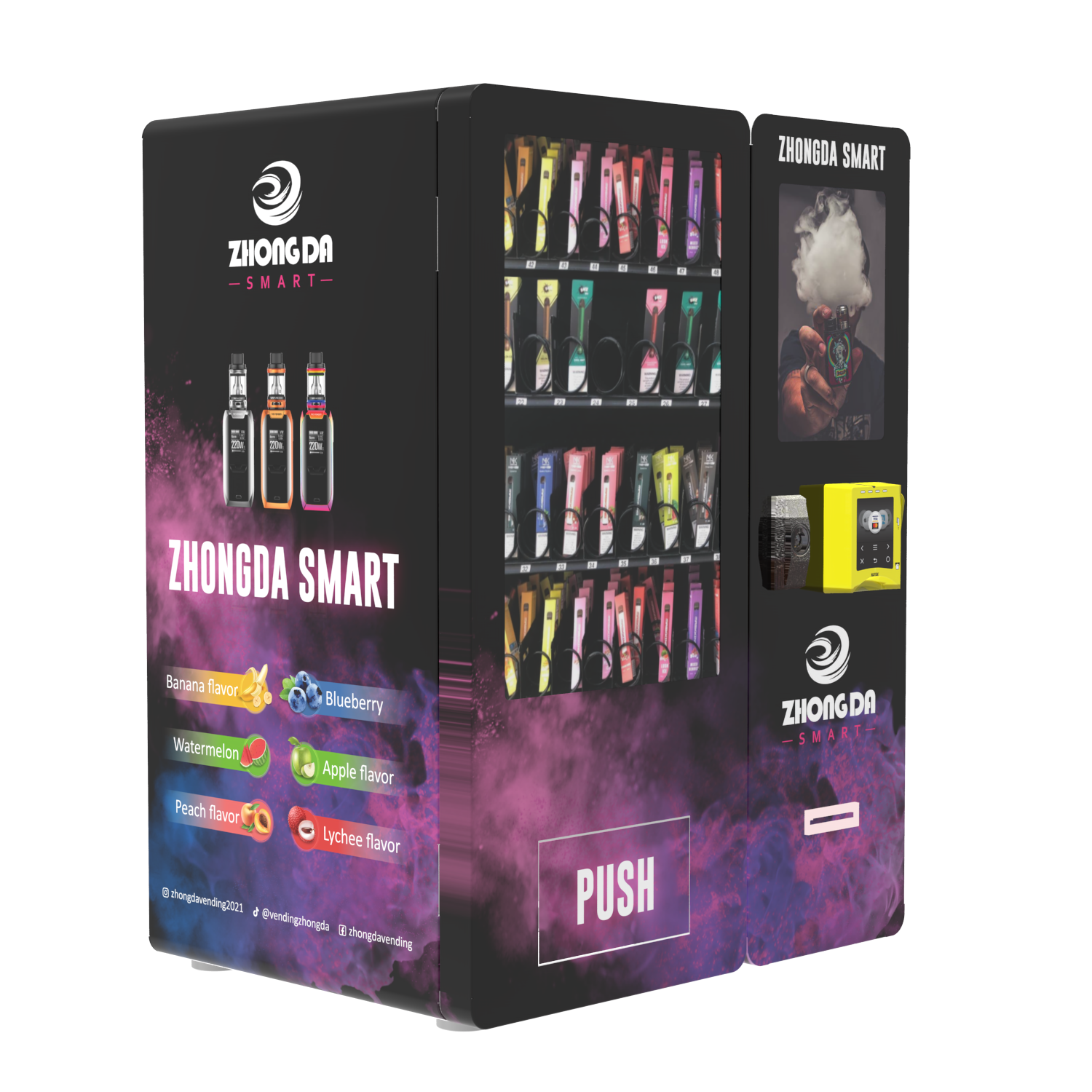
The arrival of age authentication dispensing units showcases a notable modification in the way limited products, like certain medications, are delivered. These innovative systems, utilizing physical identification procedures – exemplified by facial recognition or ID verification – promise to lower the danger of underage acquisition and grant a bolstered alternative to traditional point-of-sale methods. While issues remain regarding anonymity and rollout hurdles, this approach could revolutionize the realm of age-limited wares.
Self-Service Kiosks Now Validate Age: What You Have to Comprehend
Modern technology is evolving the vendor experience, with many now equipped age confirmation systems. In the past, purchasing age-restricted items like specific beverages or foods from these units was a challenge of trusting customers. Now, devices ranging from image analysis to mobile credential validation are being applied to secure that strictly individuals of permitted age are allowed to make an individual purchase. The indicated change expresses a substantial development toward conformity regulations and minimizing underage availability.
ID Verification Automated Instrument Approach Explained
Modern kiosk apparatus technology is applying sophisticated age validation processes to limit access to age-restricted merchandise. These systems often employ a variety of strategies, including optical scanning of government-issued ID cards, facial recognition, and even biometric records. Commonly, a customer displays their official badge or supplementary accepted form of verification. The machine then processes the provided evidence against age verification vending machine a database to affirm the individual's birthdate. Here's a quick summary at common methods:
- ID Scanning: The gadget records the details from the certificate.
- Visage Recognition: Employs facial components to authenticate the person's identity.
- Hand Geometry: Relies on individual biological identifiers.
The Rise of Age-Gated Vending: Strengths and Concerns
The heightened prevalence of age-gated dispensing machines is provoking both enthusiasm and fears. These innovative systems, utilizing physiological recognition or ID scans, are developed to regulate access to designated products like intoxicants, tobacco, or drugs. Enthusiasts highlight potential upsides, such as curbing underage purchases and solidifying compliance with policies. However, skeptics offer valid doubts regarding data safeguarding, precision of the platforms, and the potential for subversion by motivated individuals. Furthermore, the investment of introducing and servicing such intricate frameworks remains a substantial obstacle for many businesses.
Age Authentication Vending Machines: Are They Coming to Your Locality?
The forecast of vending machines requiring age confirmation is spreading rapidly , and it's expected you'll soon encounter them in your community area. These cutting-edge systems, configured to confine access to specialized products – think alcohol or restricted merchandise – use several systems like face authentication or mobile app identification. While advocates claim they are expected to diminish underage procurement, anxieties remain about anonymity and the foreseeable for defects. The installation of these approaches is currently underway being debated in several locations across the nation, so keep informed!
How Age Verification Vending Machines Work – A Detailed Look
Age confirmation vending machines utilize a assortment of procedures to secure that shoppers are of permitted age. Many incorporate ID inspection technology, where a reader records a official document. This scan is then sent to a network to contrastively evaluate it against certified records. Alternatively, some apparatuses might require the individual to provide their date of essence through a console, which is subsequently authenticated against a matching list. Furthermore, facial recognition is progressing more popular, although this strategy raises data concerns for multiple. Ultimately, the intention is to restrict the sale of age-restricted offerings to adolescent users.
Age Authentication Vending Dispensers : Addressing Lawful and Civic Topics
The escalating deployment of age confirmation vending tools raises substantial legal and societal questions . These state-of-the-art technologies, designed to offer products only to authorized users of lawful age, present challenges related to data privacy, predictable for prejudice in identification methods, and the overall control of providers. Apprehensions have been presented about the accuracy of electronic assessments , particularly regarding predicted misidentification and its effect on consumers.
- Digital conservation is a major concern.
- Computational prejudice must be rigorously mitigated.
- Explicit protocols are necessary to supervise their application .
Apart from Alcohol: Increasing Functions for Age Verification Vending
Age proof systems initially secured prominence thanks to limitations on alcohol offerings, but their opportunities extend far beyond that primary task. Increasingly, these implementations are being employed for ascertaining age for attaining a broad array of goods, consisting of pharmaceuticals, aesthetic products, gaming tickets, and even designated electronic content. This development represents a meaningful opportunity for providers and enterprises seeking to maintain compliance while upgrading the purchaser experience.
The Future in Retail? User Verification Self-Service Machines Acquire Traction
The advancing retail field is managing a remarkable shift, with age verification vending rapidly attracting traction. These cutting-edge machines, providing for verified alcohol, tobacco, or restricted content purchases, are anticipated to transform the buying experience. Retailers are gradually exploring this method to handle regulatory mandates and strengthen buyer safety, potentially minimizing the responsibility on store employees and streamlining the checkout process.